
You and your partner have this property in France you both love, maybe it’s been in the family for generations, maybe it’s the place you’ve gone back to every summer since you’ve been together. Either way, the moment you got engaged, you knew you didn’t want to get married anywhere else.
And the setting really is perfect for a wedding: the chateau, the gardens, the light…
What’s harder to picture is everything else. Tents, furniture, power, a full catering setup, all of it has to be brought in and built from the ground up. It’s an incredible project, but a complex one, especially if you’re planning from abroad. And that’s exactly where this guide comes in.
Sarah Chancel is a wedding planner specializing in private chateau and family-property weddings across France. Sarah and her team guide a small number of couples each year, helping them create their dream celebration over multiple days.
If you’re just starting to think this through, here are Sarah’s tips for where to begin:

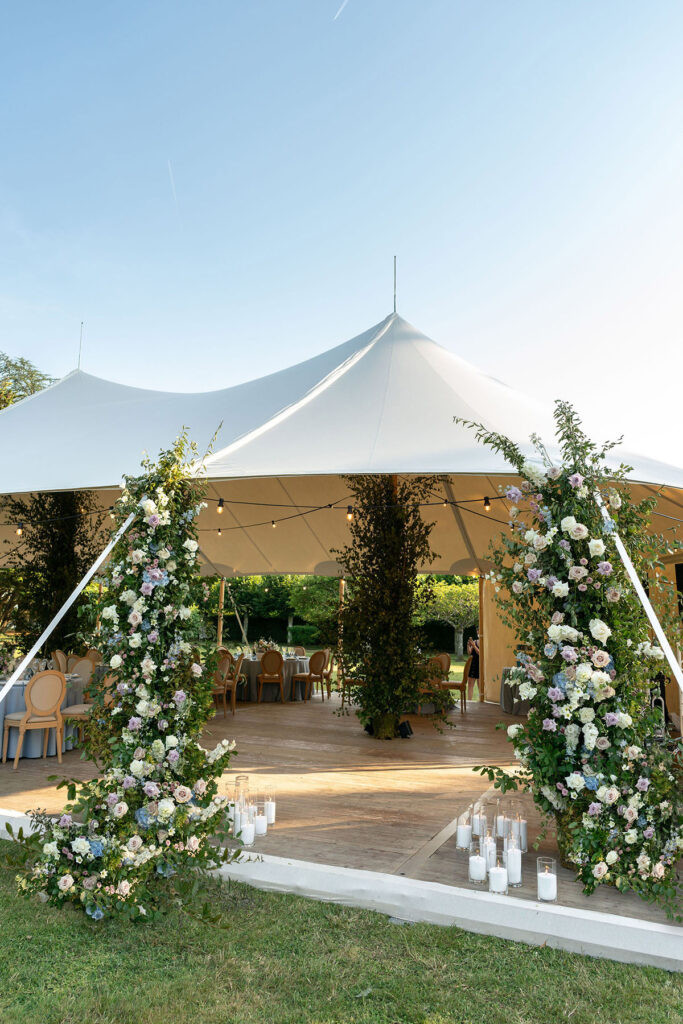
1. Can your family’s chateau actually host a wedding?
Before you dive into the planning, there are a few things I always check first.
None of these are dealbreakers. But they can seriously affect your budget, your logistics, or how comfortable your guests actually feel that weekend, so it’s worth getting ahead of them now.
Access: Can delivery vans, large trucks, and sometimes even heavy equipment actually get onto the property and close enough to where everything needs to be set up? That gorgeous field at the back of the estate might look perfect for your reception, but if a tent truck can’t get anywhere near it, we’ve got a problem before we’ve even started.
Guest capacity: Based on the spaces you’ve got, how many people can the property actually hold comfortably? As a rough guide, most family châteaux we work with can host anywhere from 100 to 250 guests outdoors. Our biggest private château wedding to date? 350 guests. So yes, big celebrations can absolutely work too.
Location: If your chateau is far from a major international airport, remember that another 3 or 4 hours on the road after a long flight might be a lot to ask of your guests. Even if there are bedrooms at the château for your closest family and friends, most of your guests will be staying elsewhere. Are there good hotels within 20 to 30 minutes? Do they match the level your guests are used to? Are taxis or Ubers easy to find, or are we organizing shuttles for the whole weekend?
If we’re getting a green light on these 3, then it’s time to get excited and actually start planning.
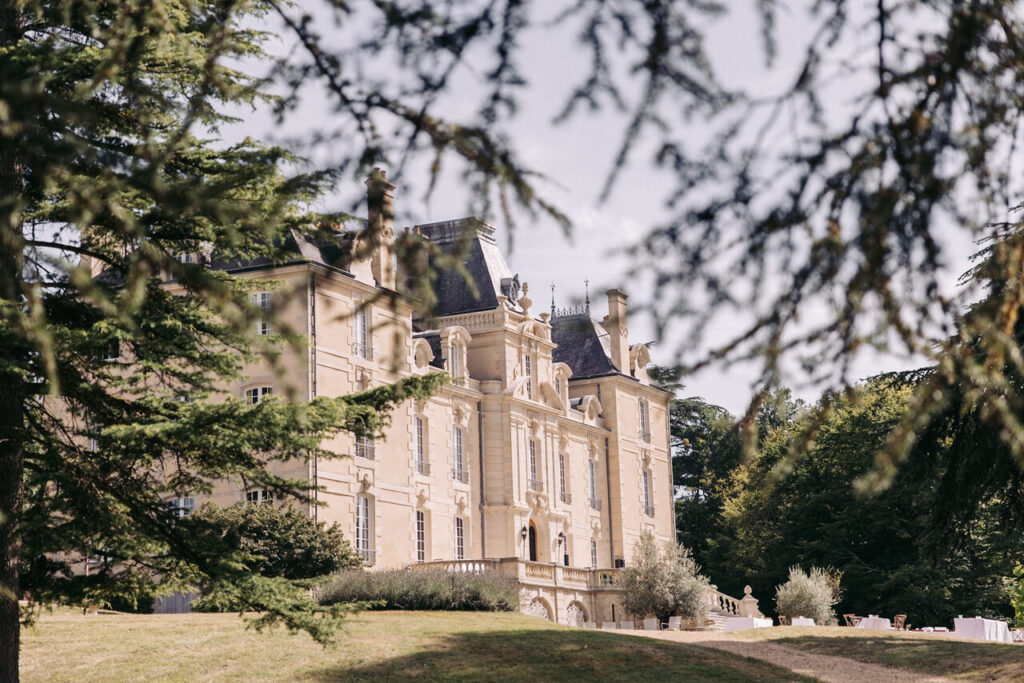
2. Find an experienced local wedding planner
Please don’t underestimate this one. It’s tempting to think that because the property is already yours and feels familiar, everything else will just fall into place. In reality, a private chateau wedding is almost always more complex to plan than a wedding at a place that was built for exactly that.
Every year, I guide 2 to 3 couples through this process, and the value of experience shows up fast. It means knowing which questions to ask before they become real problems. It means building a realistic budget from day one, not discovering the true number halfway through. And it means recommending local vendors who are genuinely reliable, instead of finding out who to trust the hard way.
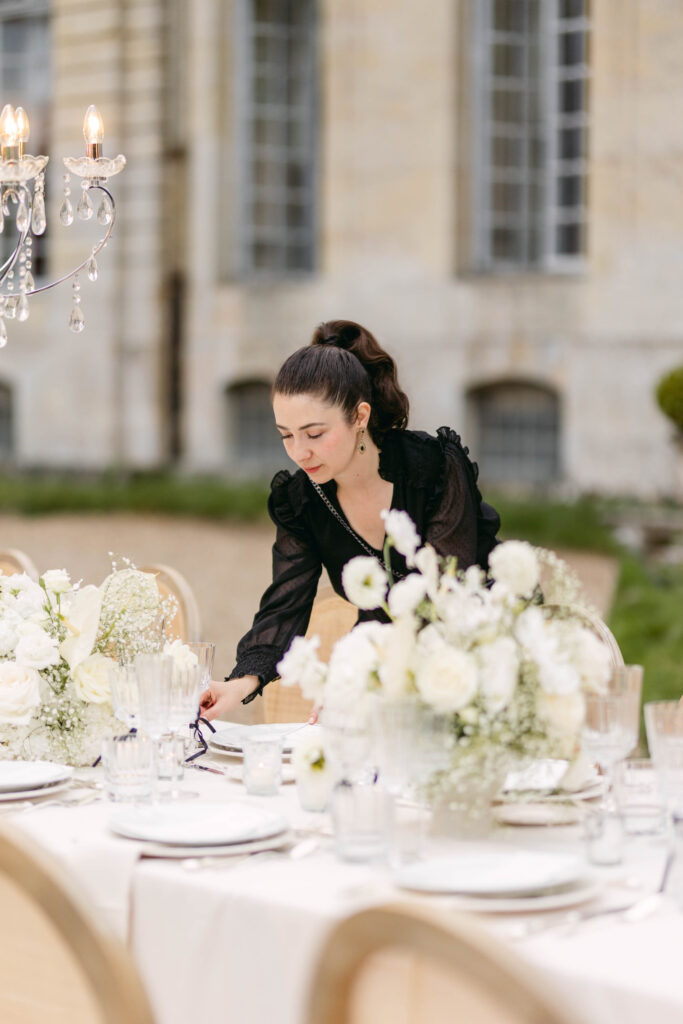
Here’s what matters most when choosing the right planner for you:
Experience specifically with private properties: Planning at a hotel or an established wedding venue is a completely different skill from building an entire event infrastructure from the ground up. Ask directly how many private property or château weddings she’s planned. Then ask about one with a similar guest count, spread over several days, and have her walk you through the flow of the weekend and how she handled the challenges that came up.
Local, hands-on vendor relationships: A planner based in the region you’re marrying in already knows which tent companies, electricians, and caterers are used to working on private land, which local authorities to call for special authorization, and which local vendors you should avoid. And speaking both languages is a must, so nothing gets lost between you and your French vendors.
The vibe, the design style, the process: How do you feel when you talk to her? Can she genuinely picture your vision and understand what you’re going for, or is she just nodding along? Is her process clear, do you know what the next few months will actually look like? You’re about to spend a year or more working closely with this person, so trust the way the conversation feels.
Don’t rush your decision. Take the time to hop on a video call with at least 2 or 3 planners before moving forward.
Ready to start figuring out your own chateau wedding? Book a call with me and tell me all about your property and your plans so far.

3. Building the foundations for a wedding on private property
Once you’ve found your planner, this is where the real work on the ground begins. We walk the property together, take measurements, and get a real feel for what each space can hold.
Then we get into the heavy logistics that come with hosting at home. Probably not the most glamorous part of the process, but definitely one of the most important.
Here are the non-negotiables I always prioritize from the start:
Tent or backup tent: Even if you’re planning everything outdoors, a backup tent is non-negotiable, even if the weather turns out perfect and you never end up using it.
Restrooms: The château has its own, sure, but most families I work with prefer to keep the château reserved for close family only, so we bring in a restroom trailer for everyone else. That matters even more once you’re past 50 to 60 guests.
Power source: Older châteaux usually weren’t built to run electricity for a full two or three day wedding. We’re used to managing this for our clients, along with all the electrical dispatching the property needs to run smoothly all weekend.
Working space for the caterer: Even when a château has outbuildings, or a spacious kitchen of its own, we’ve found caterers almost always prefer to set up close to the tent, right near the guests.
Every couple comes to us with different expectations and a different guest flow in mind, and every property has its own quirks. But at Sarah Chancel Weddings, we love a good challenge, and we’re ready to help you take on yours.

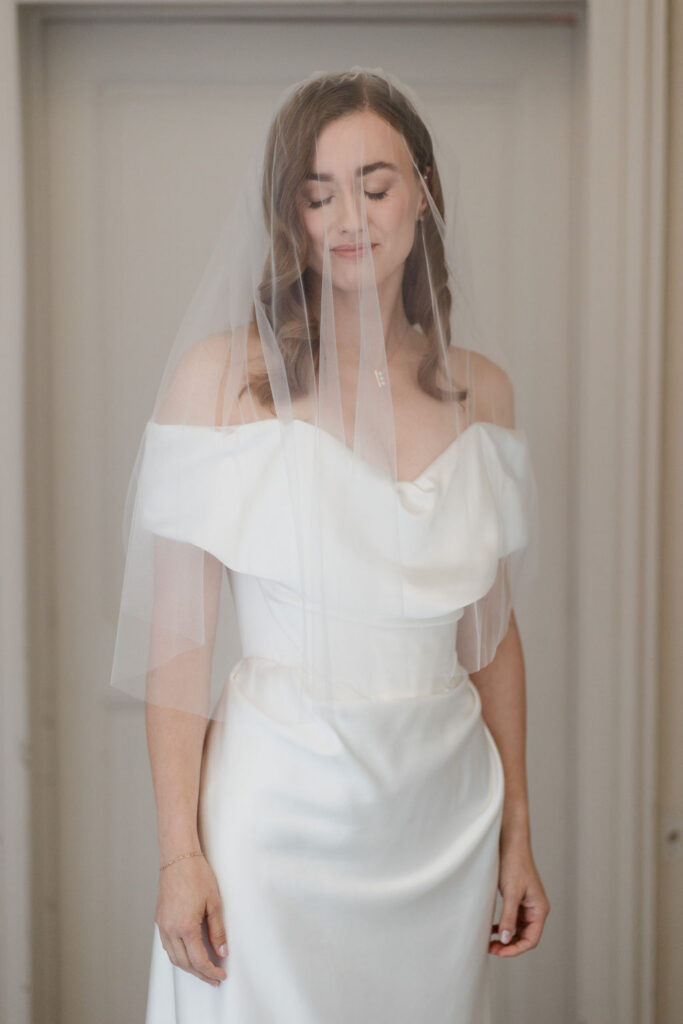

4. Find the right creative team
This is probably the part you’ll enjoy the most. Once the foundations are solid, you finally get to turn your attention to the fun stuff.
Tasting menus with a caterer who gets both your expectations and the realities of cooking on-site. Working with a talented local floral designer to bring out the character of the property. Sourcing the right furniture and decor to create distinct, beautiful moments across the 2 or 3 days of celebration.


Every chateau has its own set of spaces to work with, and we get to be creative with the layout and flow.
An orangerie or a set of old stables can become an unexpected, atmospheric dinner spot. A stunning ceremony in the gardens. A more intimate brunch by the pool to close out the weekend before everyone heads home. We’ll figure all of this out together, so every moment gets its own corner of the estate, and your guests get the full experience of this property you love so much.
5. What a private chateau wedding really costs
One of the biggest misconceptions I hear all the time is that getting married at home will naturally cost less than booking a venue. In reality, it’s often the opposite.
Because every single logistical piece has to be brought in, and making it all come together takes real experience. It’s not something you figure out as you go.
That doesn’t mean your budget has to feel unpredictable or overwhelming, though. With an experienced planner by your side, you can set realistic expectations from the start, understand exactly where your money is going, and make informed choices instead of facing unwelcome surprises along the way.
I always want to be upfront and transparent about what things cost. For a wedding on private property in France, plan to spend:
Tenting: 15,000€ to 40,000€
A restroom trailer that actually looks the part, plus power and electrical dispatch: 9,000€ to 15,000€
Total budget: To give you an idea of the total budget our clients spend on 2 to 3 days of celebration, the weddings in our portfolio typically start around 120,000€, and go up from there for larger guest counts and the most sought-after vendors in France.
Honestly, any proposal that comes in well under that will probably struggle to meet your expectations. If a planner tells you it’s possible for much less, it usually means they haven’t yet managed a wedding at this scale, and a private property wedding is not the place to find that out the hard way!

Want to see more ?
Discover this private ranch welcome dinner in the French countryside
Discover this tented wedding in the Loire Valley
Discover this brunch by the pool at a family chateau
A wedding at a family château is one of the most personal, meaningful ways to get married, and also one of the most complex to pull off well. If this is the wedding you’re picturing, I’d love to hear about your property and your plans so far. Book a call with me, and let’s figure out where to begin.
Sarah Chancel is an English-speaking wedding planner specializing in private château and family-property weddings in Paris, the Loire Valley, and across France. She guides a handful of US and international couples each year, bringing a clear, step-by-step approach to the planning and a calm, warm energy so you can actually enjoy the process!
FAQ
Do I need a permit to host a wedding at a private château in France?
It depends on the scale of the event and whether the property is classified as a historic monument, but in most cases, a tent or the event itself doesn’t require special permission. Fireworks and amplified sound, however, may require local authorization in some areas.
Can I get legally married at my family’s château?
No. Under French law, the civil ceremony, the only legally binding one, has to take place at the town hall (mairie) of the commune, not on private property. That’s why most international couples complete the legal marriage either at home or at the local mairie if residency requirements are met, and hold their symbolic ceremony at the château itself.
Do I still need a wedding planner if it’s already our chateau?
100% yes. Often, it’s not about the venue itself, but about everything the venue doesn’t provide: infrastructure, vendor coordination, permits, and logistics that would otherwise fall on the family to manage.
How far in advance should we start planning a wedding at a family property?
I recommend starting 12 to 18 months out, so you have time to source the best local vendors, keep as many options open as possible, and coordinate the logistics without rushing. That said, we’ve planned a full 3-day wedding in 7 months before, so it’s not a strict rule.




